22 plant profiles / 06 practical guides
Botanical references. Growing knowledge. Quiet curiosity.
A little world to grow
Gritty Mix.
Your own little greenhouse.
Find your perfect soil mix. Grow a collection full of character. Line up a graft and watch a new story take root.
- 01 Mix
- 02 Grow
- 03 Graft
Free to play · Saves on your device · No account needed
Your growing collection
A perfect connection

New / Follow the evidence
Every plant has a story.
Keep the evidence with it.
Trace a name. Understand a symptom. Find the research behind the advice.
More than a label.
Clones, crosses, source codes and the missing links between them.
Read the records ↗02 / Grower referenceGeeBee’s garden notes.
Public GB names, shared source references and the boundary between practice and proof.
Explore the reference ↗03 / Research notebookThe right evidence.
The right plant.
Host-specific research on pests, disease, grafting and propagation.
Open the notebook ↗01 / The living library
Find your fascination.
Explore plant profiles by name and collection, with photographs and references to follow further.
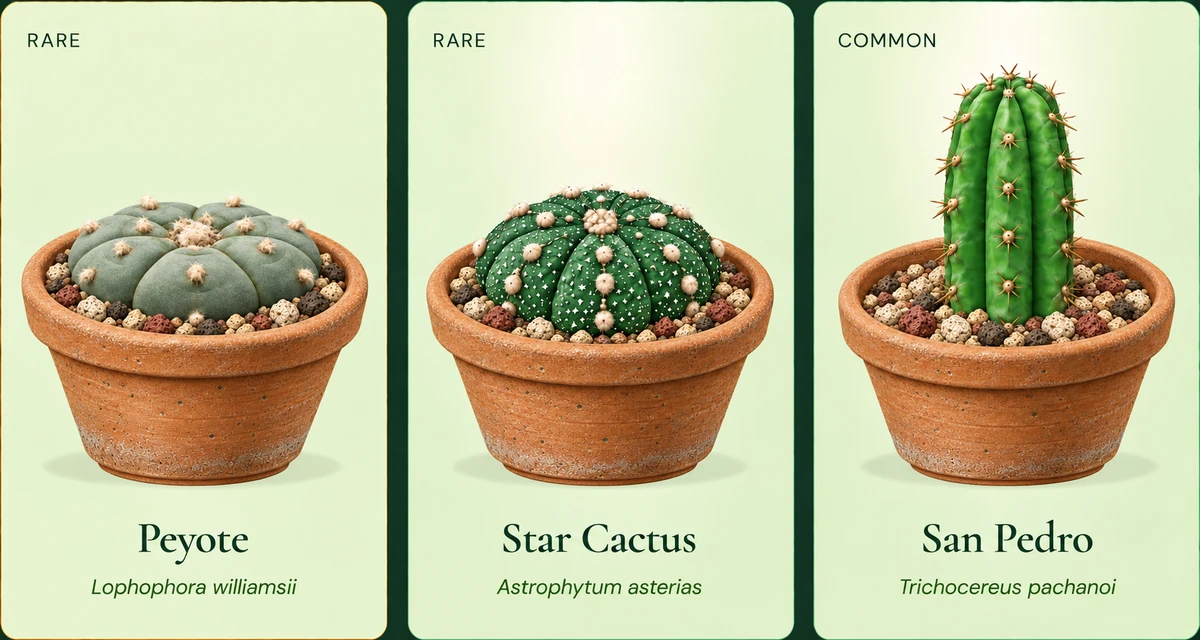
North America — Texas & Chihuahuan Desert
7 entriesArid limestone plains and desert scrub. Extreme temperature swings, mineral soils, winter dormancy. Home to slow-growing geophytes and living rocks.
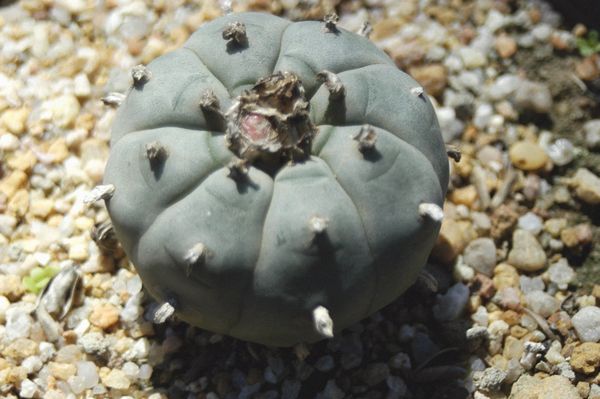
Lophophora williamsii
Peyote: a botanical profile with careful provenance and conservation context.
rare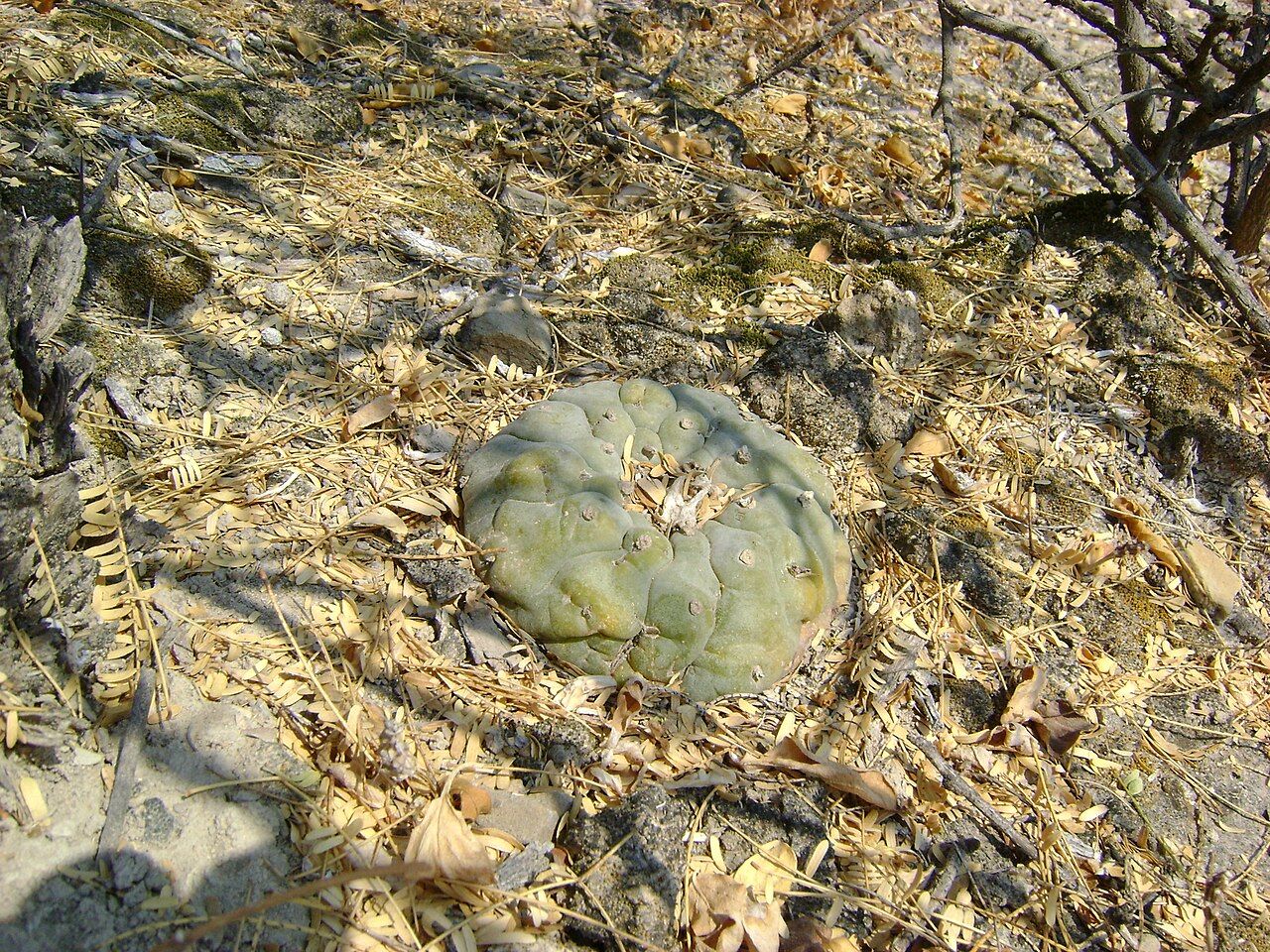
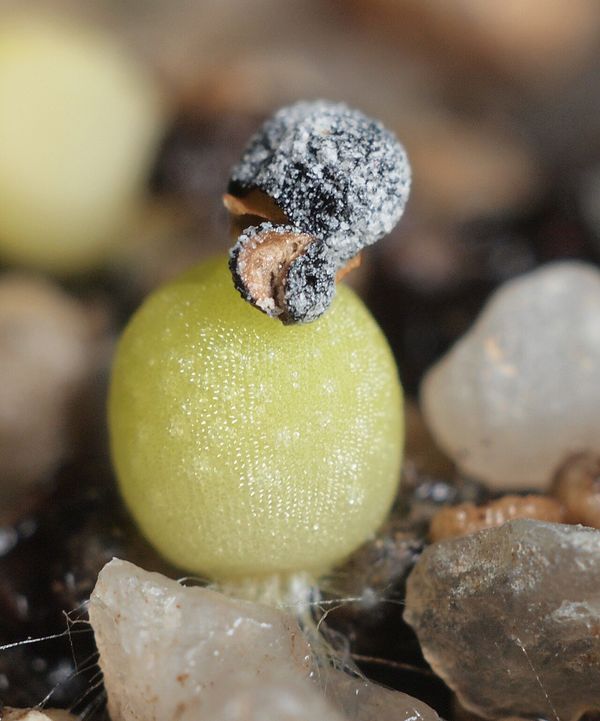
Lophophora
A small genus with competing historical treatments and important conservation context.
Lophophora fricii
A Coahuilan species with its own history and variable cultivated forms.
uncommon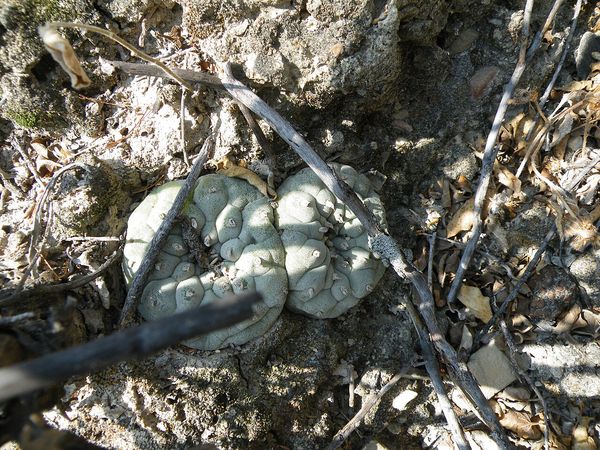
Lophophora diffusa
Read its botanical treatment separately from older hypotheses about ancestry.
rare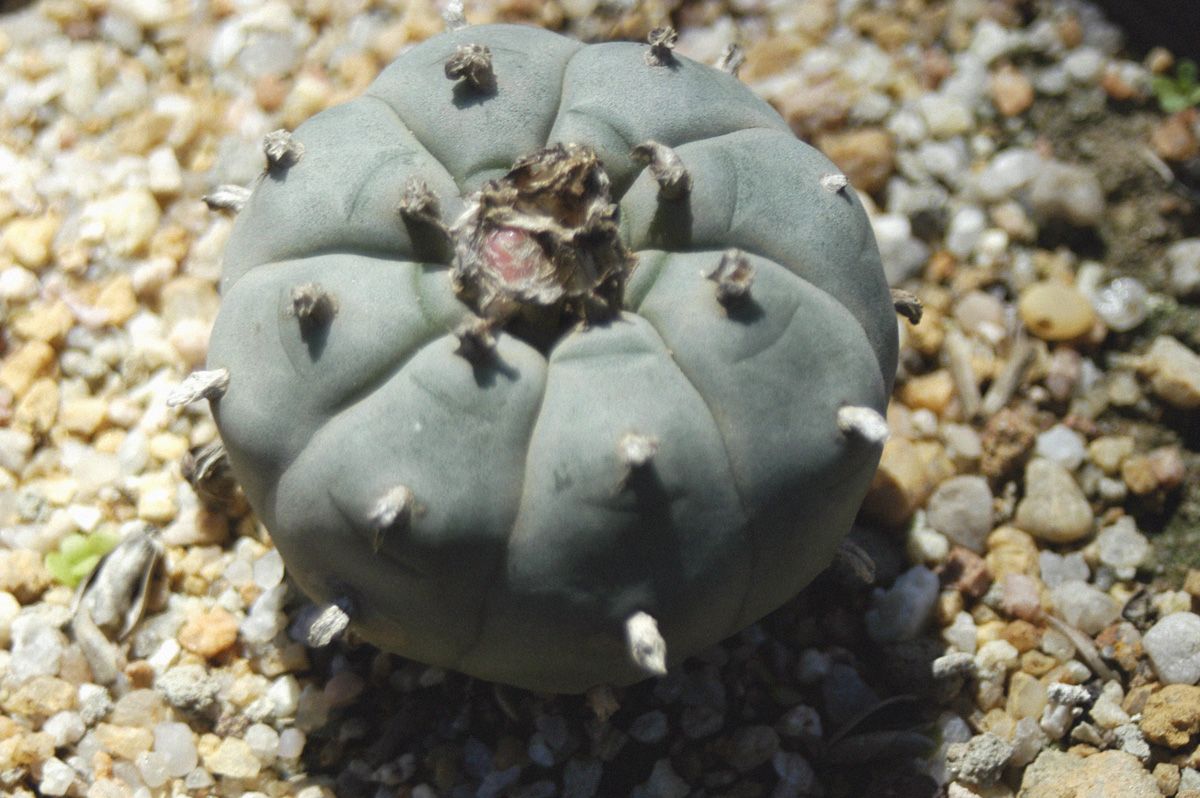
Cacteae (tribe)
Where the small globular cacti fit in the wider cactus family.
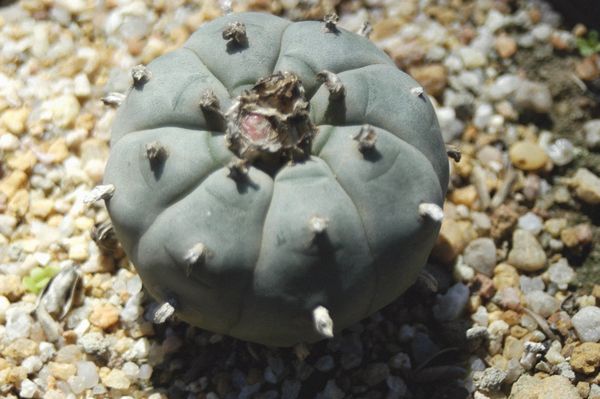
Lophophora “decipiens”
Separate a botanical synonym from the way an old label was used in a collection.
uncommon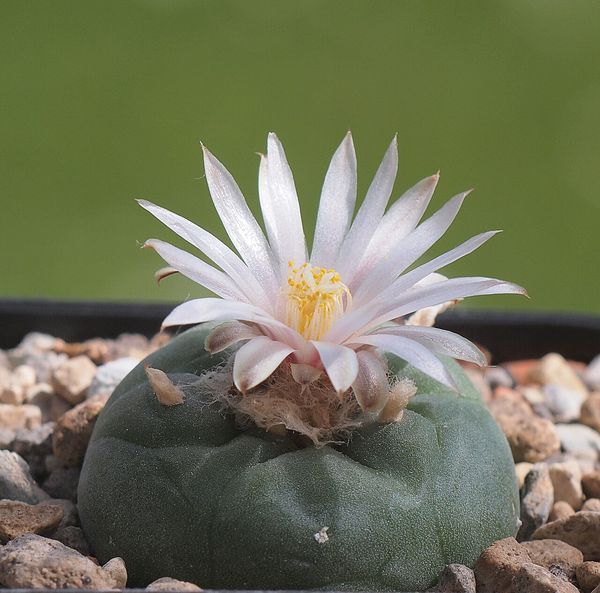
Lophophora koehresii
A recognizable name in collections, treated under diffusa by Kew.
rareAndes — Peru, Bolivia & Ecuador
8 entriesHigh-altitude mountain valleys, rocky slopes, cloud forest edges. Fast-growing columnar cacti tolerant of cool nights. The heartland of Trichocereus diversity.
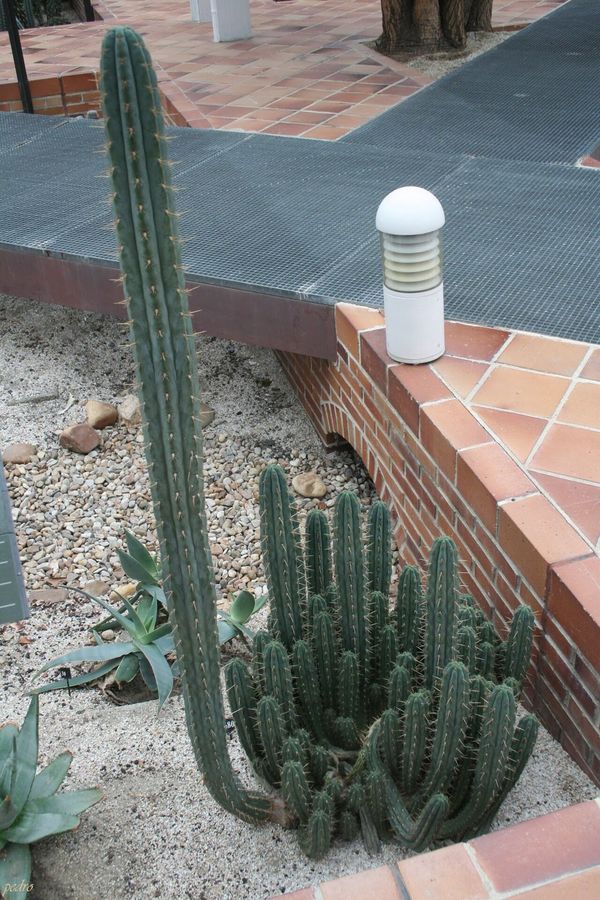
Trichocereus pachanoi
The familiar grower’s name for San Pedro, with clearer provenance and care context.
common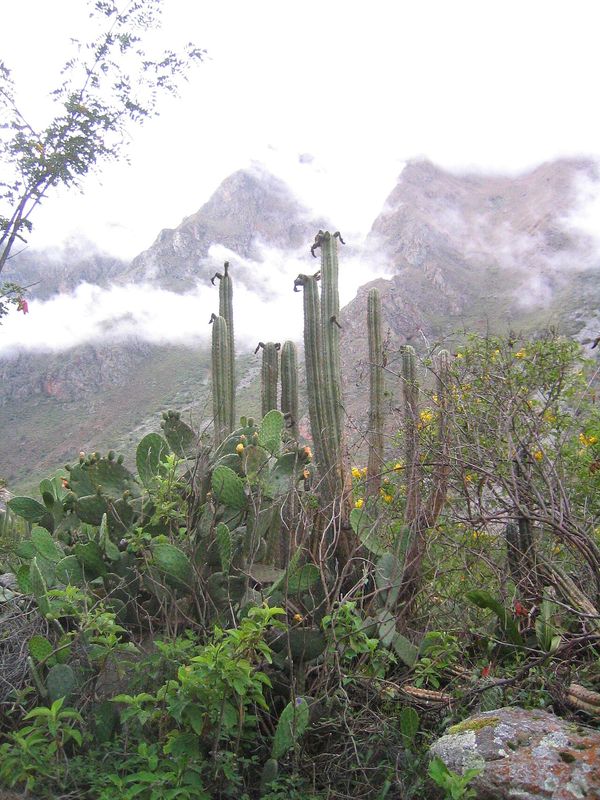
Echinopsis pachanoi
San Pedro: the accepted name in the Kew treatment used here.
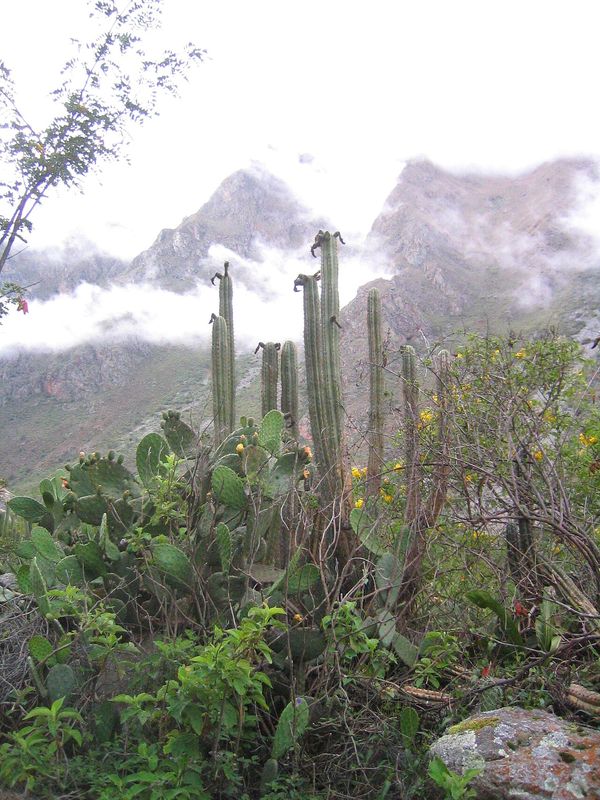
The pachanoi naming history
Different botanical combinations can refer to the same taxonomic name.
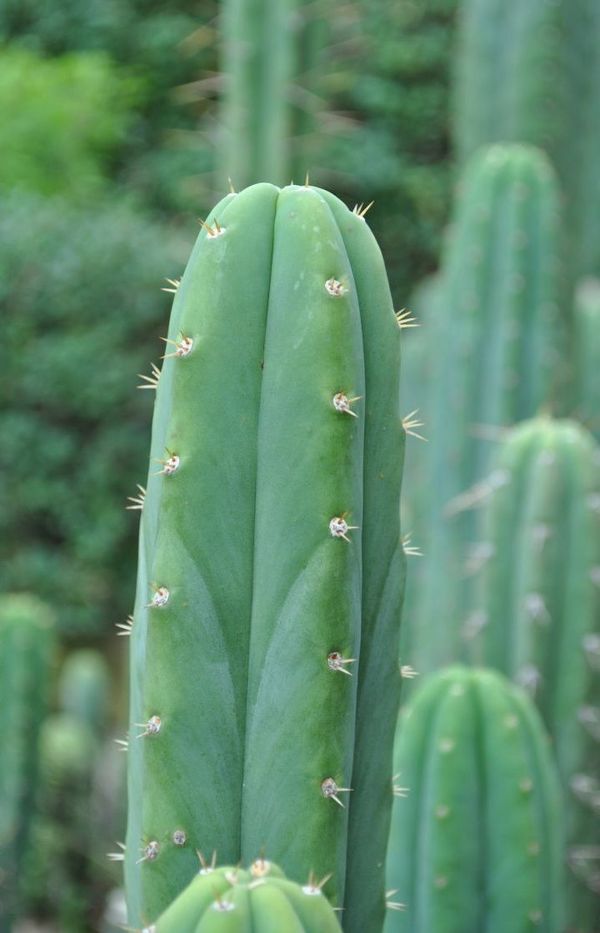
Trichocereus bridgesii
A Bolivian columnar cactus with many distinct cultivated selections.
common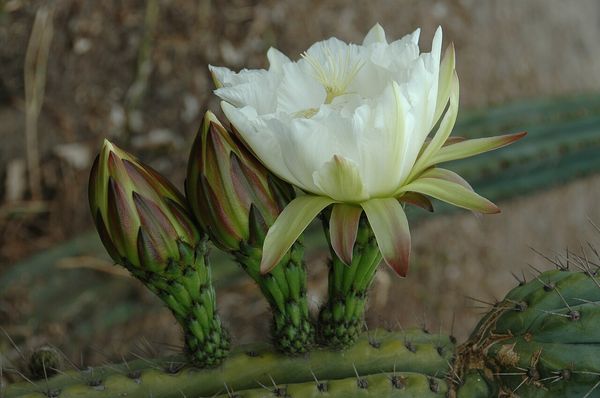
Trichocereus peruvianus
Peruvianus labels, source populations and named selections.
common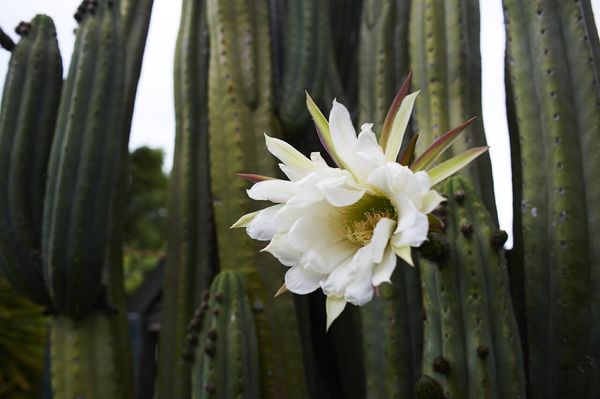
Trichocereus scopulicola
A useful grower’s name that deserves its own provenance record.
rare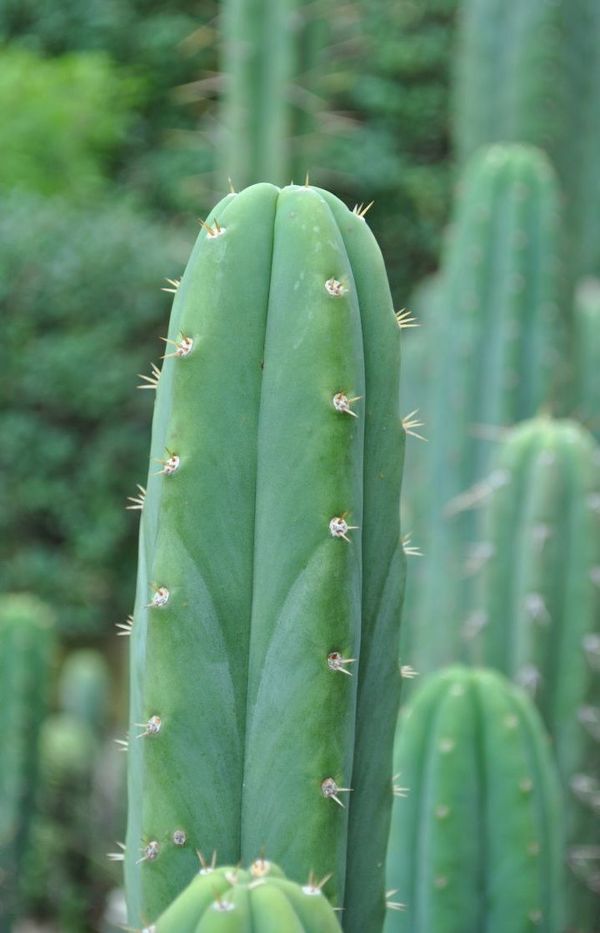
Echinopsis lageniformis
The Kew placement for bridgesii and scopulicola names.
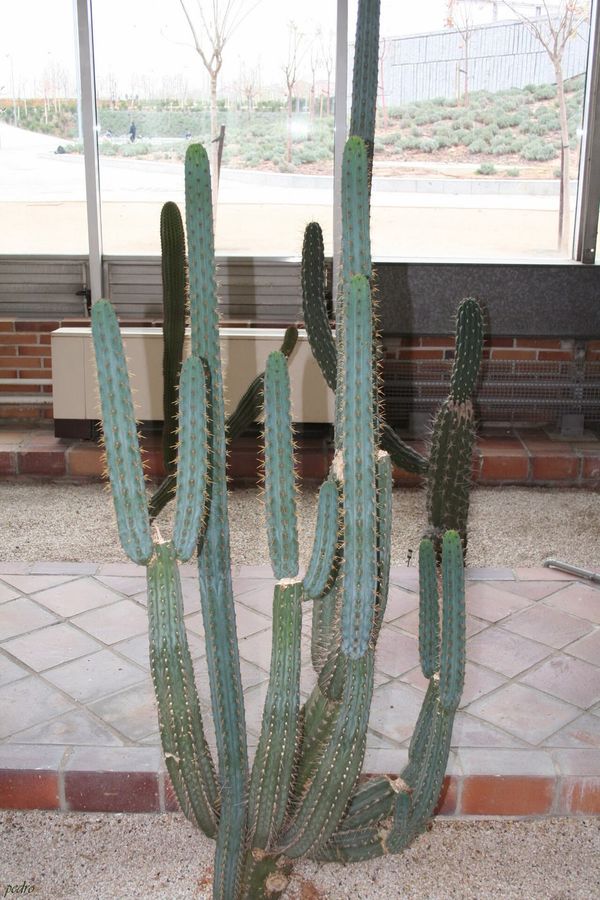
Echinopsis macrogona
The Kew treatment linking macrogona and peruvianus names.
Argentina — Southern Cone
3 entriesTemperate to arid zones, colder winters, stronger winds. Home to the hardiest Trichocereus species — some tolerate -8°C wet.
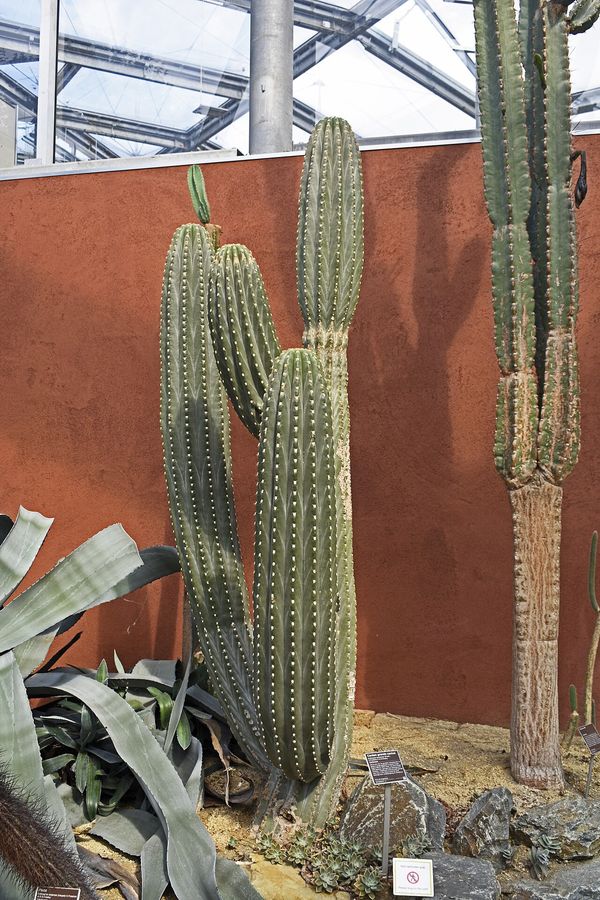
Trichocereus terscheckii
A large South American columnar cactus, currently placed in Leucostele by Kew.
uncommon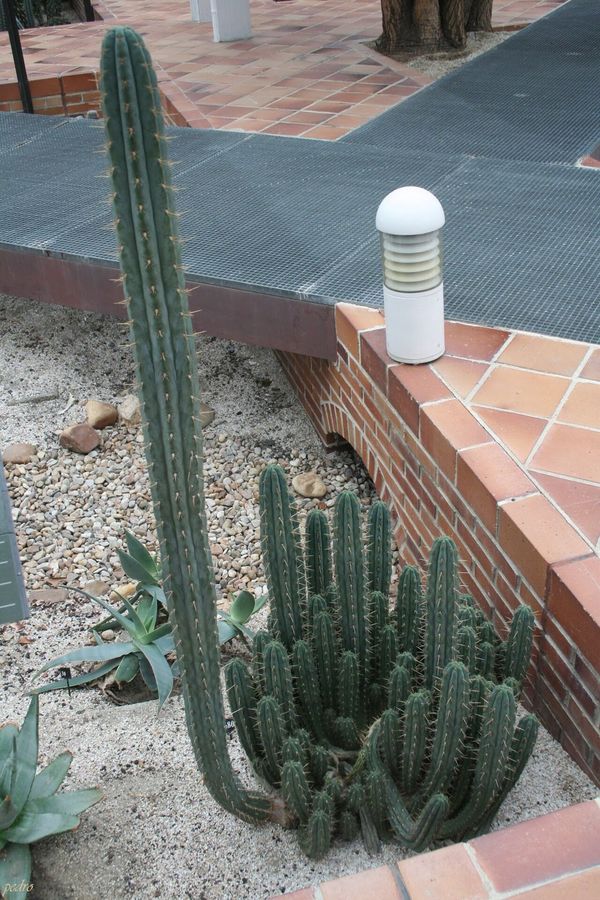
PC / “pachanot”
A horticultural label whose origin should not be presented as a settled pedigree.
common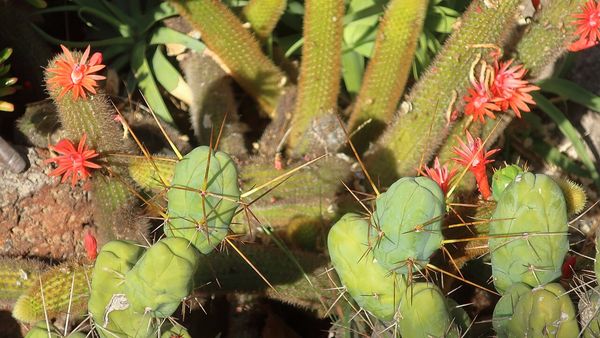
Trichocereus bridgesii monstrose
TBM: distinguish a growth form from the identity of a particular selection.
rareMexico — Endemic Hotspot
3 entriesExtraordinary endemism — single-valley species, limestone specialists, living fossils. The highest concentration of rare and CITES-protected cacti in the world.
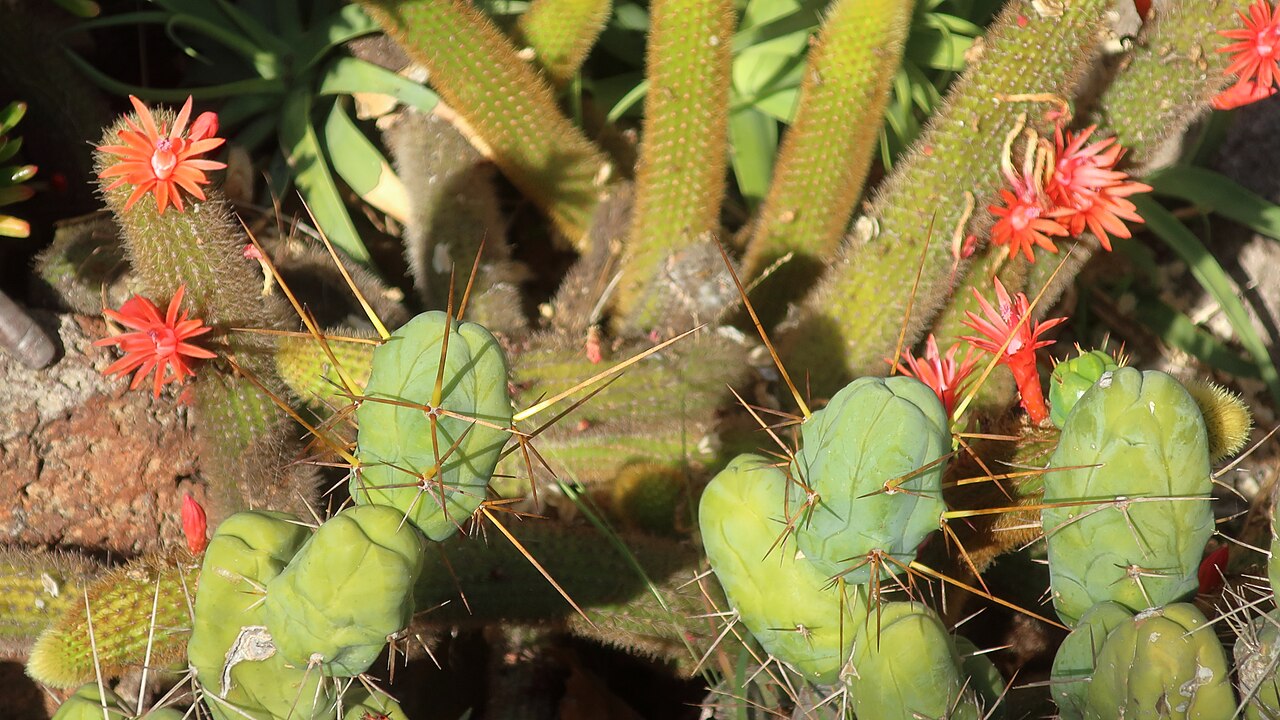
Trichocereus hybrids
Crosses produce individual seedlings, not copies of a named parent.
common
Echinopsis Schick hybrids
An unusually clear example of documented selection and accession records.
uncommon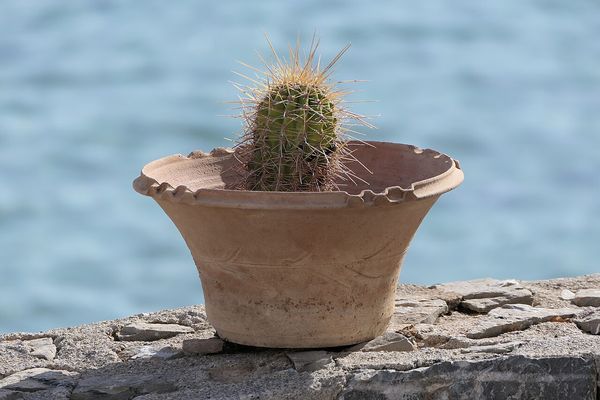
Cactaceae
The cactus family: an evolutionary framework, not a single care recipe.
Hybrids, Cultivars & Clone Lines
3 entriesSelected and bred for potency, growth rate, morphology, and flower color. The living library of the cactus hobbyist community.
Trichocereus hybrids
Crosses produce individual seedlings, not copies of a named parent.
grailPC / “pachanot”
A horticultural label whose origin should not be presented as a settled pedigree.
uncommonTrichocereus bridgesii monstrose
TBM: distinguish a growth form from the identity of a particular selection.
grailGenus References & Taxonomy
2 entriesTaxonomic overviews, generic descriptions, and nomenclatural history.
No matches yet. Try another name or choose all collections.
02 / From curiosity to cultivation
A little knowledge.
A healthier collection.
Six practical guides for the first-time grower and the endlessly curious collector.
Growing cacti well
A practical routine built around the plant, its roots and your conditions.
Cacti from seed
Keep the seed history, use a suitable environment, and record what actually germinates.
Cactus grafting
Fresh contact, sound tissue and careful records make a better graft.
Cactus pests
Find the pest, inspect the whole plant, and choose a response that matches the evidence.
Cactus health: rot, spots & stress
Read the pattern before naming a pathogen. Similar symptoms can have very different causes.
Conservation & responsible sourcing
A well-documented collection supports trust. It does not replace wild habitat.
03 / Put your curiosity to work
Meet Gritty Mix.
A cactus cultivation simulator. Experiment with soil, practice grafting, and build a collection at your own pace.
Enter the growing roomNew to growing? Grab the free starter guide
A practical introduction to plant records, observation, watering and propagation.
No spam. Stored securely, never sold. One-click unsubscribe.